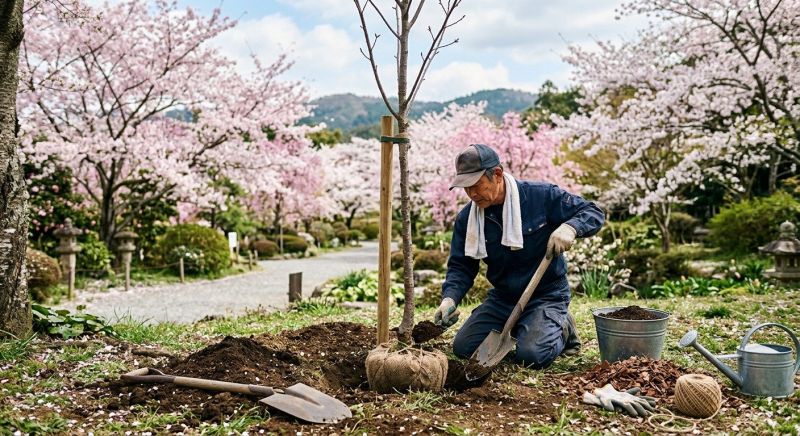
Japanese Maple Planting in Honolulu, HI
Japanese Maple planting services involve selecting the right variety and preparing the site to ensure healthy growth and vibrant foliage. These services typically cover planting new trees in residential landscapes, enhancing garden aesthetics, and creating focal points or shade features. Property owners often want guidance on the best locations for planting, suitable varieties for their climate, and any specific soil or care requirements needed to support the tree’s development over time.
Before requesting Japanese Maple planting, homeowners usually seek information about the size and mature shape of the tree, as well as considerations for placement to optimize sunlight, visibility, and safety. Understanding the planting process, including soil preparation and proper planting techniques, helps ensure the tree establishes well and thrives in the landscape. Clarifying these details can assist property owners in making informed decisions for their outdoor spaces.
Many property owners in Honolulu, HI look into Japanese Maple Planting for repairs, replacements, upgrades, and appearance-related improvements.
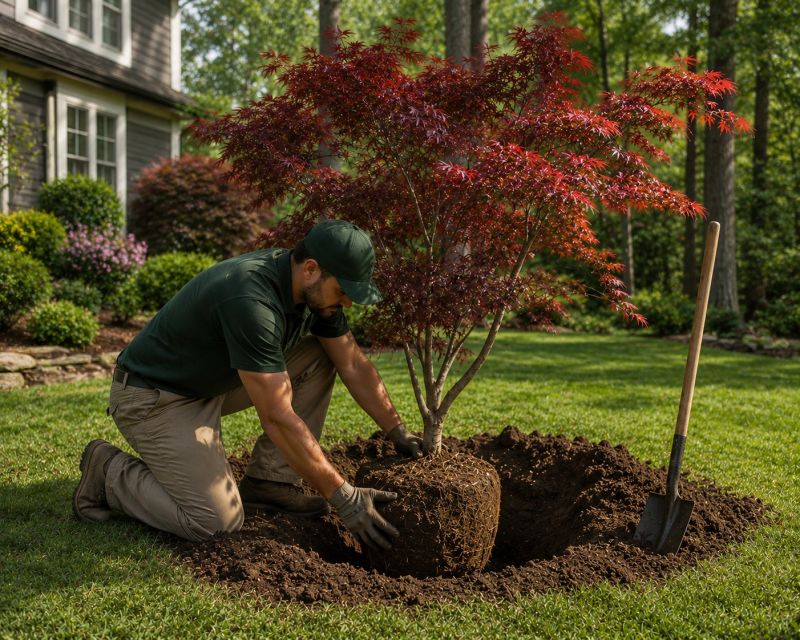
Design And Placement
Choosing the right location and layout enhances the beauty of japanese maples in your landscape.
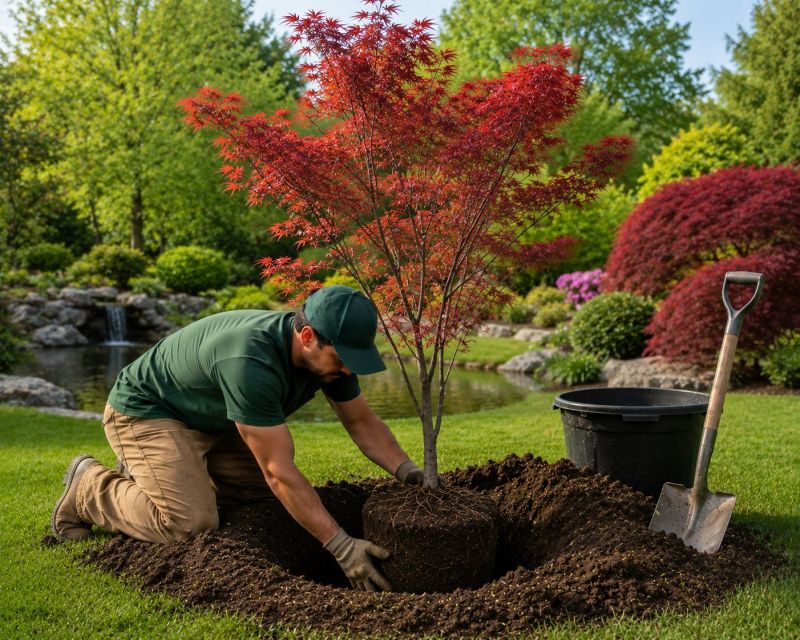
Planting And Care
Proper planting techniques ensure healthy growth and vibrant foliage for japanese maples.
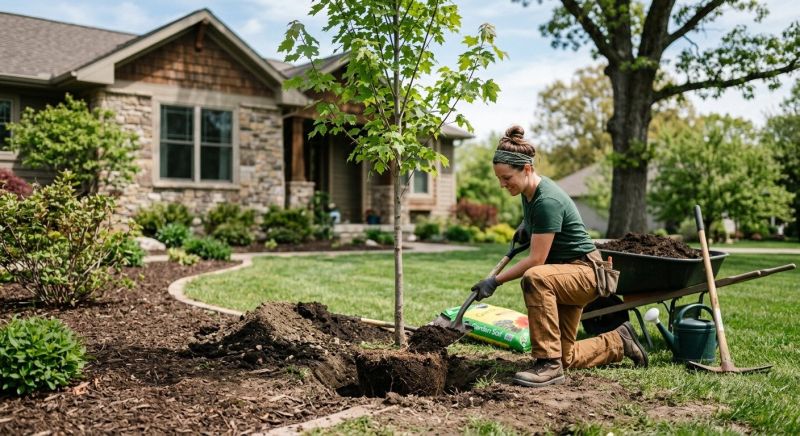
Maintenance And Preservation
Regular pruning and attention help maintain the shape and longevity of japanese maple trees.
Japanese Maple Planting in Honolulu, HI

Japanese Maple planting services involve selecting the right variety and preparing the site to ensure healthy growth and vibrant foliage. These services typically cover planting new trees in residential landscapes, enhancing garden aesthetics, and creating focal points or shade features. Property owners often want guidance on the best locations for planting, suitable varieties for their climate, and any specific soil or care requirements needed to support the tree’s development over time.
Before requesting Japanese Maple planting, homeowners usually seek information about the size and mature shape of the tree, as well as considerations for placement to optimize sunlight, visibility, and safety. Understanding the planting process, including soil preparation and proper planting techniques, helps ensure the tree establishes well and thrives in the landscape. Clarifying these details can assist property owners in making informed decisions for their outdoor spaces.
Many property owners in Honolulu, HI look into Japanese Maple Planting for repairs, replacements, upgrades, and appearance-related improvements.
Common Japanese Maple Planting Jobs
Japanese Maple Planting Services - Assistance with selecting the right variety for specific landscape needs.
Tree installation - Professional planting of Japanese Maples to ensure proper growth and stability.
Site preparation - Clearing and soil conditioning to create optimal conditions for planting.
Planting consultation - Guidance on placement, spacing, and care for healthy growth.
Landscape integration - Incorporating Japanese Maples into existing garden designs seamlessly.
Maintenance advice - Recommendations for watering, mulching, and pruning to support long-term health.

Japanese Maple Planting Questions
What is involved in planting a Japanese Maple? Planting typically includes selecting a suitable location, preparing the soil, and carefully placing the tree to ensure healthy growth.
When is the best time to plant a Japanese Maple? The ideal time is during early spring or fall when temperatures are moderate and the tree can establish roots before extreme weather.
How much space does a Japanese Maple need? Japanese Maples generally require enough room for their canopy to spread, usually about 8 to 10 feet in diameter.
Are Japanese Maples suitable for small yards? Yes, dwarf varieties are well-suited for smaller spaces and can add visual interest without overwhelming the area.
Request Japanese Maple Planting in Honolulu, HI
Use the quote form on this page to share the basics of your project and request more information for the type of work you need.