Arborist Pruning in Reno, NV
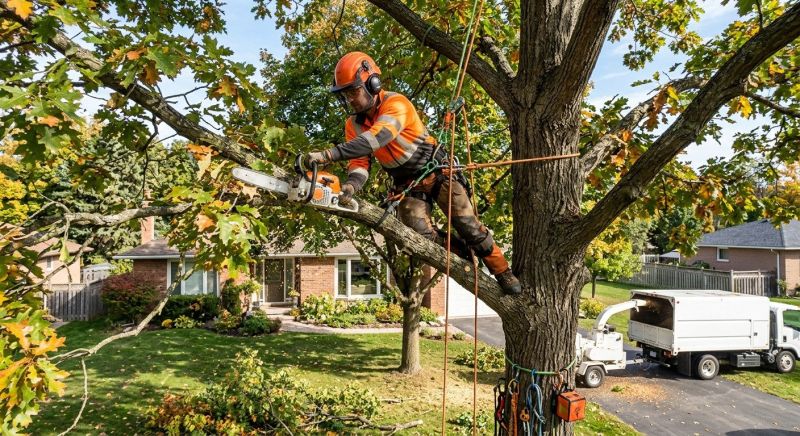
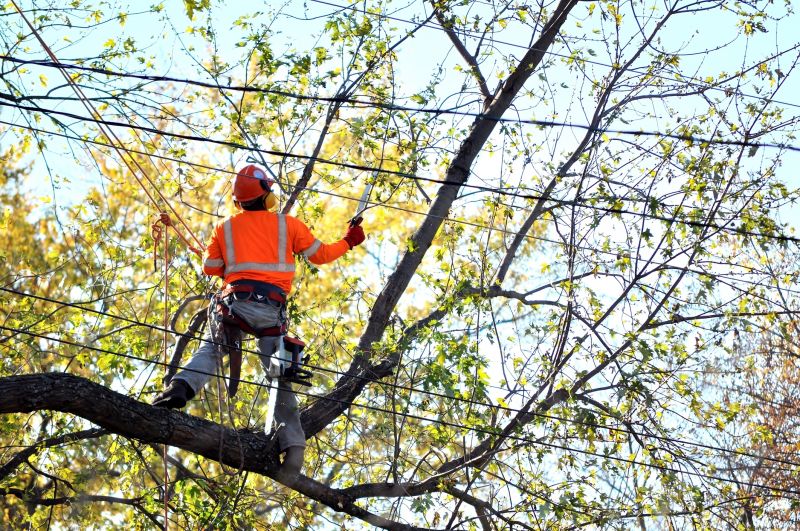
Arborist pruning services involve the careful trimming and shaping of trees to promote healthy growth, enhance appearance, and maintain safety on residential properties. These services typically cover a variety of projects, including removing dead or diseased branches, reducing the size of overgrown trees, shaping trees for aesthetic appeal, and improving clearance around structures or power lines. Homeowners often seek professional pruning to ensure that trees are maintained properly, preventing potential hazards such as falling branches or structural damage, while also supporting the overall health and longevity of their trees.
Before requesting arborist pruning, property owners usually want to understand the scope of work involved and how it will impact their trees’ health and appearance. It’s helpful to consider the type of trees on the property, their current condition, and any specific goals, such as improving safety or aesthetics. Clarifying whether the work will involve crown thinning, structural pruning, or shaping can ensure that the project aligns with expectations. Property owners should also inquire about the timing and frequency of pruning to maintain optimal tree health and appearance over time.
Many property owners in Reno, NV look into Arborist Pruning for repairs, replacements, upgrades, and appearance-related improvements.
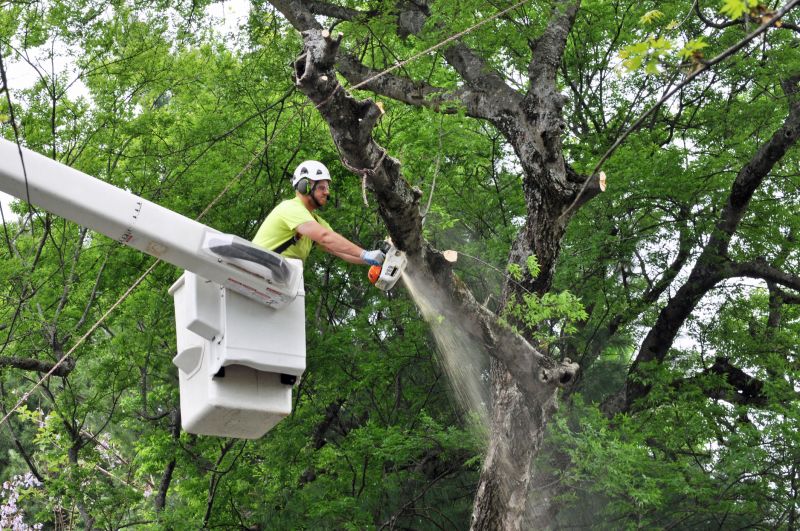
Tree Crown Thinning
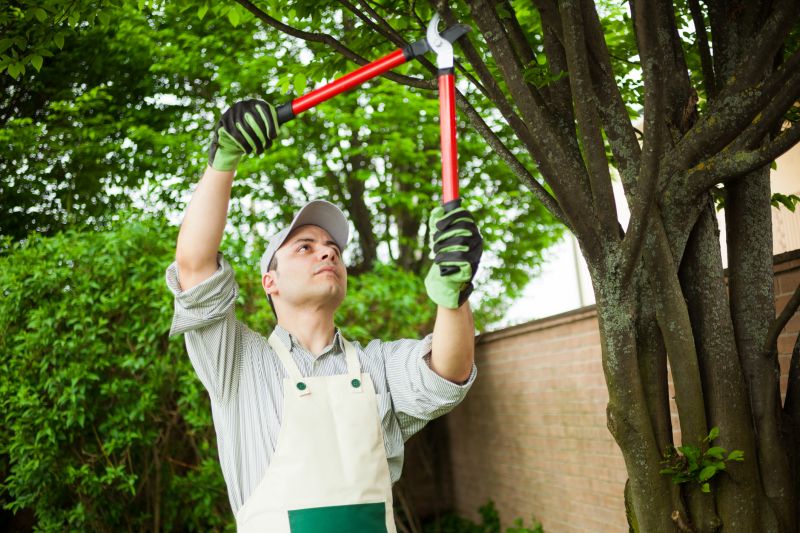
Removing select branches to improve air flow and reduce weight.
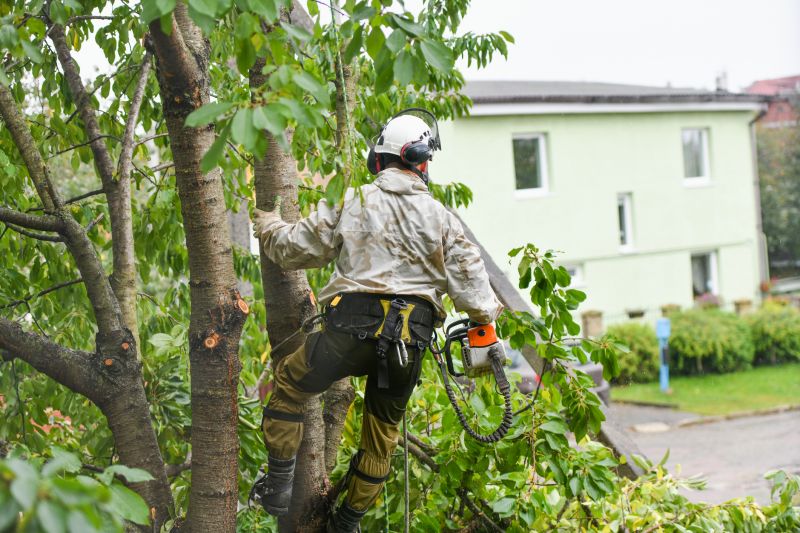
Structural Tree Pruning
Shaping and supporting healthy growth to prevent hazards.
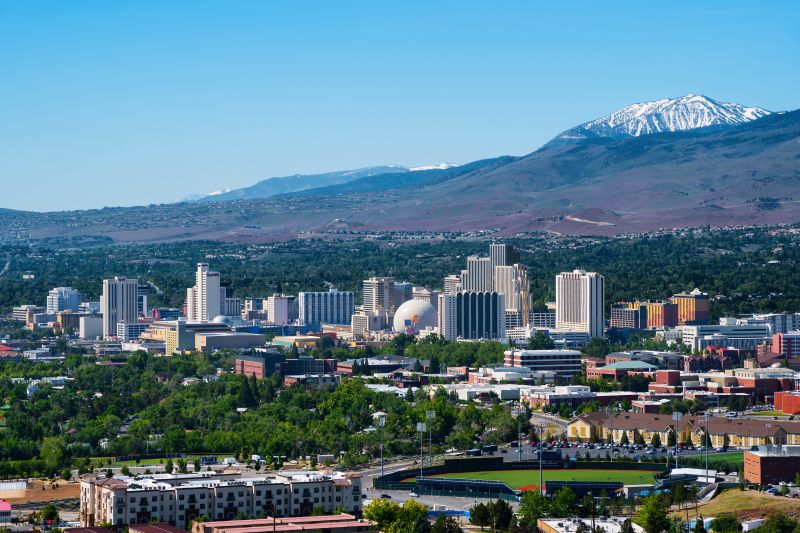
Deadwood Removal
Eliminating dead or diseased branches to promote tree health and safety.
Arborist Pruning in Reno, NV
Arborist pruning services involve the careful trimming and shaping of trees to promote healthy growth, enhance appearance, and maintain safety on residential properties. These services typically cover a variety of projects, including removing dead or diseased branches, reducing the size of overgrown trees, shaping trees for aesthetic appeal, and improving clearance around structures or power lines. Homeowners often seek professional pruning to ensure that trees are maintained properly, preventing potential hazards such as falling branches or structural damage, while also supporting the overall health and longevity of their trees.
Before requesting arborist pruning, property owners usually want to understand the scope of work involved and how it will impact their trees’ health and appearance. It’s helpful to consider the type of trees on the property, their current condition, and any specific goals, such as improving safety or aesthetics. Clarifying whether the work will involve crown thinning, structural pruning, or shaping can ensure that the project aligns with expectations. Property owners should also inquire about the timing and frequency of pruning to maintain optimal tree health and appearance over time.
Many property owners in Reno, NV look into Arborist Pruning for repairs, replacements, upgrades, and appearance-related improvements.
Common Arborist Pruning Jobs
Tree crown thinning - reduces weight and improves airflow within the canopy.
Deadwood removal - eliminates hazardous branches to prevent damage and injury.
Structural pruning - shapes trees for better growth and stability.
Formative pruning - guides young trees toward healthy development.
Sanitation pruning - removes diseased or infected branches to protect overall health.
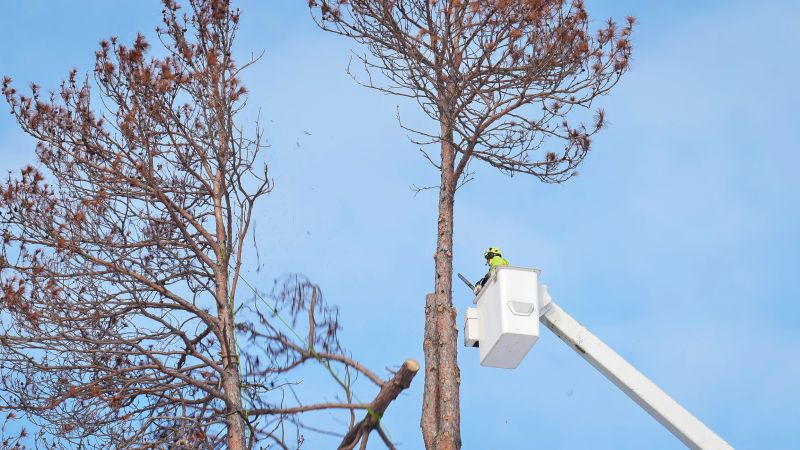
Hazard tree pruning - addresses safety concerns by reducing risk from unstable trees.
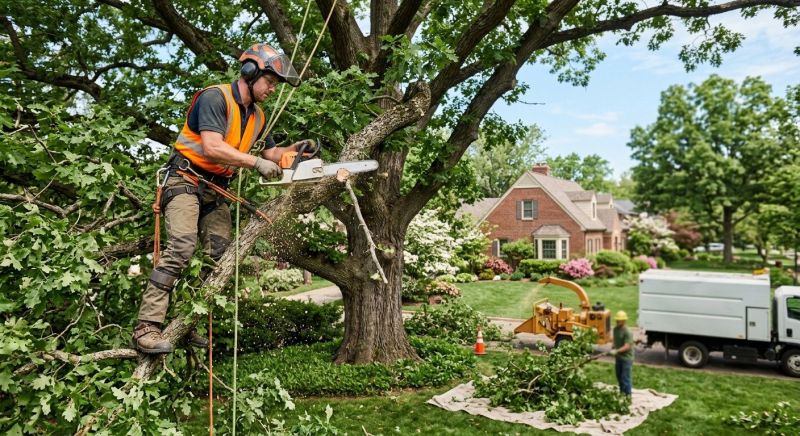
Arborist Pruning Questions
What is arborist pruning? Arborist pruning involves carefully trimming and shaping trees to promote health, safety, and aesthetic appeal on residential and commercial properties.
Why should tree pruning be done? Proper pruning helps remove dead or diseased branches, improves tree structure, and reduces the risk of falling limbs.
What types of pruning services are available? Services include crown thinning, crown reduction, deadwood removal, and structural pruning tailored to tree needs.
When is the best time for pruning? The ideal time for pruning varies by tree species, but generally it is during late winter or early spring before new growth begins.
Request Arborist Pruning in Reno, NV
Use the quote form on this page to share the basics of your project and request more information for the type of work you need.